
Traveling with Diabetes
Traveling can bring a lot of joy, but for people with diabetes, it requires some extra preparation. Changing time zones, long flights, and new environments can all affect routines and glucose control. With good organization, proper packing, and planning ahead, traveling can be safe and stress-free.
This content is not medical advice. Always consult your endocrinologist, doctor or diabetes care team before making any changes to your diabetes treatment or daily management.
Preparation for Traveling with Diabetes
Traveling with diabetes requires some extra planning, but with the right preparation you can enjoy your trip with confidence and peace of mind. The key is to pack smart, plan ahead, and be ready for unexpected situations.
Essential tips before you go:
Always carry more supplies than you think you will need (insulin, strips, sensors, infusion sets). A good rule is to pack at least twice the amount.
Split supplies between carry-on and checked baggage (if you check luggage) in case one gets lost.
Keep insulin and CGM/pump devices at room temperature – avoid extreme heat or cold.
Bring a doctor’s note or diabetes ID card explaining your condition and medications.
Prepare a list of all your medications (generic and brand names).
Carry fast-acting glucose (tabs, gels, juice boxes) for hypoglycemia.
Make sure to have travel insurance that covers diabetes care.
Flying with Diabetes
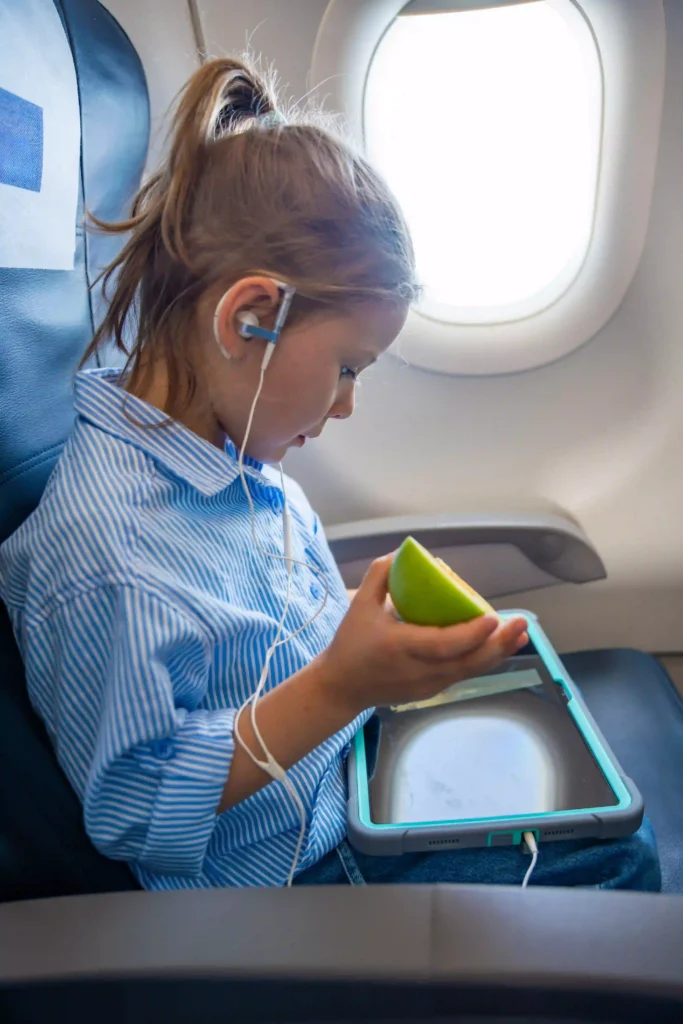
Air travel can introduce specific challenges like airport security, cabin pressure changes, and limited food options.
General air travel advice:
Always keep all diabetes supplies in your carry-on. Checked luggage can be exposed to temperature extremes or get delayed.
Notify security personnel that you have diabetes and are carrying medical supplies.
If you use an insulin pump or CGM, inform security staff that these are medical devices and should not be removed or scanned with X-ray/full-body scanners if your manufacturer advises against it.
Carry copies of prescriptions and, if possible, a note from your doctor confirming you use insulin and related equipment.
Have snacks and glucose within reach, since in-flight meals can be delayed or unavailable.
Stay hydrated and move around during long flights to improve circulation.
Important: Airport security rules vary by country. Check the regulations of both your departure and destination airports in advance.
Managing Time Zones
Crossing time zones can affect insulin schedules, especially if you use injections instead of a pump.
Discuss your travel plans with your diabetes team before the trip. They can help you adjust insulin timing safely.
When flying east, your day becomes shorter; when flying west, it’s longer. This can temporarily affect insulin needs.
Set your devices and alarms to destination time once you arrive to avoid confusion.
During Your Trip
Once you arrive, small adjustments can make a big difference:
Keep insulin in a cool but not freezing place. Avoid small hotel refrigerators unless you’re sure they have temperature control.
If you’re exploring for long hours, carry a small diabetes travel kit with insulin, glucose, and backup supplies.
Always wear a medical ID (bracelet or necklace) stating you have type 1 diabetes.
If your supplies are lost or stolen, contact local pharmacies or hospitals and show your prescription copy.
Learn how to say “I have diabetes“ and “I need sugar/medical help“ in the local language.
Before booking your trip, talk with your endocrinologist or diabetes care team. They can help you adjust insulin doses for time zone changes, suggest how to store insulin safely in different climates, and provide backup prescriptions in case you lose your supplies abroad.
Checklist for Traveling with Type 1 Diabetes
Traveling with diabetes doesn’t have to be stressful, a little preparation goes a long way. Use this checklist to make sure you’ve got everything covered before you take off.
Packing and Supplies
Bring more supplies than you think you’ll need — at least twice your usual amount (insulin, test strips, sensors, infusion sets, pen needles, batteries, CGM transmitters, etc.).
Split supplies between your carry-on and checked luggage (if you check a bag), in case one is lost or delayed.
Keep all essential supplies in your hand luggage — including insulin, meters, glucose, and snacks. Checked bags can be exposed to heat, cold, or lost in transit.
Pack an extra two weeks’ worth of insulin and supplies, if possible.
Carry a copy of all prescriptions (insulin, glucagon, test strips, pump supplies, etc.) — they’ll help you replace items if lost or stolen.
Bring a doctor’s letter or medical ID card stating you have type 1 diabetes and use insulin or other medical devices.
At the Airport and During Flights
Inform airport security staff that you have diabetes and are carrying medical equipment.
Most insulin pumps and CGMs can go through metal detectors, but some should not go through X-ray or full-body scanners — check your device manufacturer’s guidance.
Ask for a manual inspection of your pump or CGM if you prefer.
Bring snacks and glucose (tablets, gels, juice) in your carry-on in case of delays or missed meals.
Stay hydrated during the flight and move around on long journeys.
Keep insulin at a stable temperature — avoid placing it near heaters or air vents.
On Arrival
Store insulin in a cool, dry place, away from direct sunlight. Avoid small hotel fridges that can freeze your insulin.
Keep a small diabetes travel kit with you at all times when sightseeing.
Wear a medical ID bracelet or necklace that indicates you have type 1 diabetes.
Carry a card in your wallet or phone with emergency contact info and your diabetes details.
Always have a water bottle with you — staying hydrated helps with glucose control, especially in hot climates.
Managing Time Zones
Talk with your diabetes care team before your trip about adjusting insulin timing for long flights or major time zone changes.
When you land, set your pump, CGM, and watch to local time.
Be mindful that meal and sleep patterns may shift — check your blood glucose more often in the first 24–48 hours.
Emergency and Backup Planning
Bring a glucagon emergency kit and any other medications you may need (for nausea, diarrhea, or allergic reactions).
If you’re traveling with someone, have them carry backup supplies in their bag, in case yours are misplaced.
Know how to contact emergency services in the country you’re visiting.
Learn a few key phrases in the local language.
Food and Meals
Bring real food (like sandwiches or snacks) in case of flight delays or limited options.
Eat foods you’re familiar with rather than “diabetic meals” that may be unpredictable in carb content.
Keep fast-acting glucose on hand at all times to treat lows.
Avoid skipping meals — plan ahead if sightseeing or traveling to remote areas.
Final Reminders
Check your travel insurance covers diabetes care and emergency supplies abroad.
Keep a list of nearby pharmacies or hospitals at your destination.
- Stay in touch with your diabetes care team before and after your trip for any needed adjustments or advice.
Climate and Altitude Considerations
Heat can reduce insulin potency — keep insulin cool but not frozen.
Cold climates can thicken insulin and affect blood flow in fingers for glucose testing.
At high altitudes, blood glucose readings may vary slightly; check more often.
Technology Tips for Travelers
Bring spare sensors, pump sites, and backup batteries or chargers.
Download your device app updates before traveling.
Carry printed pump settings in case your device fails or needs to be replaced.
Avoid connecting your CGM to unfamiliar Wi-Fi networks for security.
In many countries, people with diabetes can get an official diabetes identification card or booklet that explains their condition and medications. This can be useful when passing through airport security, crossing borders, or seeking medical help abroad.
Join as a T1D Warrior
Our T1D Warriors are children, parents of children with diabetes, and individuals living with type 1 diabetes who share their personal experiences to inspire and support others. Every story, every blog post, and every piece of advice you find here comes from someone who has truly lived it — with honesty, courage and a whole lot of heart. Together, we’re building a community where real-life experience truly makes a difference.
Want to inspire others with your T1D journey? Become a T1D Warrior and share your story.